


Earth Day 2026: There Is No Plan(et) B
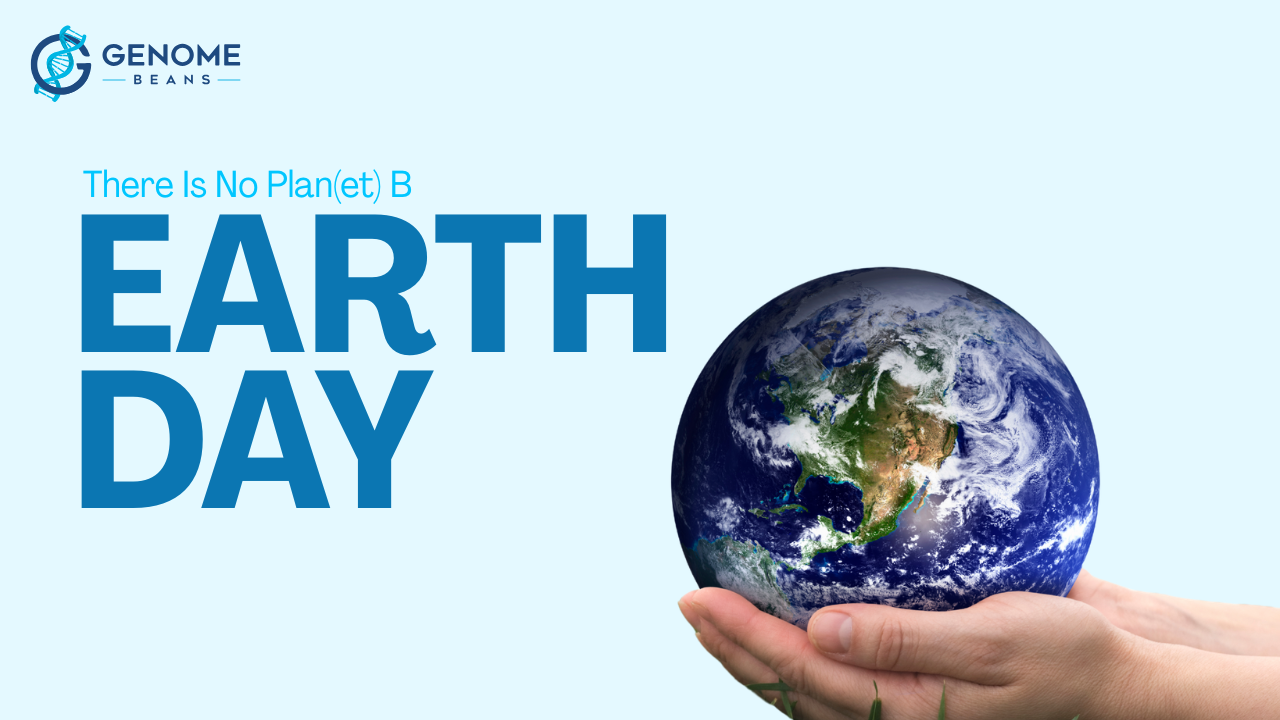
Earth Day 2026 highlights how environmental awareness has evolved into meaningful action. What began as a movement is now a global effort to protect the planet through sustainability, research, and collective responsibility.
In 1969, an oil spill off the coast of California shocked the world. What followed wasn’t just outrage, it sparked a movement. A year later, the first Earth Day brought millions together, marking the beginning of a global commitment to environmental protection.
Today, Earth Day 2026 is more than a symbolic date. It reflects how far we’ve come in understanding environmental challenges and how much more can be achieved through informed action and climate action initiatives.
From Awareness to Action
The first Earth Day in 1970 brought environmental concerns into public conversation. It led to important policies and showed how awareness can create real change.
Over time, the focus has expanded. What started as a response to visible pollution has grown into a global effort addressing climate change, biodiversity loss, and sustainability.
Today, Earth Day activities and Earth Day celebration events continue to turn awareness into action, encouraging individuals, students, and communities to participate.
Understanding Nature with a New Lens
Environmental science has evolved. Researchers are no longer limited to observing change, they are now able to understand it at a deeper level.
Modern approaches, including genomics, are helping scientists explore how ecosystems function and respond to environmental stress.
Protecting Biodiversity
Genetic insights help monitor species and understand diversity within ecosystems, supporting conservation efforts and long-term environmental sustainability.
Building Climate Resilience
Studying how organisms adapt helps predict how they may respond to changing environmental conditions, supporting global climate action efforts.
Supporting Sustainable Agriculture
Research into soil and crop systems is helping create more sustainable and efficient agricultural practices, aligning with sustainable living and environmental goals.
Planet vs Plastics
One of the most pressing environmental concerns today is plastic pollution. Microplastics are now being detected in ecosystems and even within living organisms.
This has led many people to explore simple changes, such as learning how to reduce plastic waste at home, adopting eco-friendly habits for Earth Day, and following Earth Day ideas that promote sustainability.
Genomic Data Impact
As environmental research becomes more advanced, so does the volume of data.
Technologies like genomics and Next-Generation Sequencing (NGS) are helping researchers study environmental systems in greater detail. From soil ecosystems to climate-affected species, research such as metagenomics analysis is helping scientists better understand environmental changes.
At the same time, analyzing this data remains a challenge, making expertise and the right tools essential.
GenomeBeans Supports Change
At GenomeBeans, we work alongside researchers to simplify and accelerate genomic data analysis.
Our goal is to make complex biological data easier to understand and apply, whether it’s studying ecosystems or exploring responses to environmental change.
By supporting research with reliable analysis, we contribute to stronger environmental awareness and data-driven sustainability efforts.
Ways to Celebrate Earth Day
Earth Day is not just about awareness, it’s about action. There are many simple ways to celebrate Earth Day that can make a difference.
- Participating in local clean-ups
- Exploring Earth Day activities for students and families
- Following sustainable living tips for beginners
- Making small changes that reduce environmental impact
Even simple actions, when done collectively, can create meaningful change.
Earth Day Facts
- Earth Day is celebrated every year on April 22
- The first Earth Day was held in 1970
- It is observed in over 190 countries
- It is also known as International Mother Earth Day
Our Responsibility Going Forward
The message remains clear, there is no Planet B.
From climate challenges to ecosystem changes, the need for responsible action continues to grow. Small steps such as conserving energy, reducing waste, and making mindful choices all contribute to a larger impact.
Participating in Earth Day activities, exploring new Earth Day ideas, and promoting sustainability in daily life can help build long-term change.
At the same time, scientific research continues to play a critical role in helping us understand and respond to these challenges.
The responsibility lies with all of us to not only recognize the importance of Earth Day, but to carry its message forward every day.
FAQ
What is Earth Day and why is it celebrated?
Earth Day is a global event observed on April 22 to promote environmental awareness, sustainability, and climate action.
When was the first Earth Day celebrated?
The first Earth Day was celebrated in 1970, marking the start of a global environmental movement.
What are some ways to celebrate Earth Day?
There are many ways to celebrate Earth Day, including planting trees, reducing waste, participating in clean-ups, and adopting sustainable habits.
What are some Earth Day activities for students?
Common Earth Day activities for students include tree planting, recycling projects, awareness campaigns, and environmental workshops.
How can I reduce plastic waste at home?
You can reduce plastic waste by using reusable products, avoiding single-use plastics, and making eco-friendly lifestyle choices.
Why is Earth Day 2026 important?
Earth Day 2026 highlights the importance of sustainability, environmental awareness, and collective climate action in protecting the planet.
Popular Post
-
19 October 2026
Can No-Code Bioinformatics Replace Coding? Here’s Where It Helps

-
12 October 2026
Bioinformatics Tools Are Everywhere. Knowing Which One to Use Is the Hard Part

-
05 October 2026
Bioinformatics vs Data Science: What’s Actually Different?

-
28 September 2026
How Scientists Use Bulk Transcriptomics to Understand What a Drug Does Inside Cells

-
21 September 2026
Inside a Brain, Cell by Cell: What Alzheimer's Research Looks Like at Single-Cell Resolution