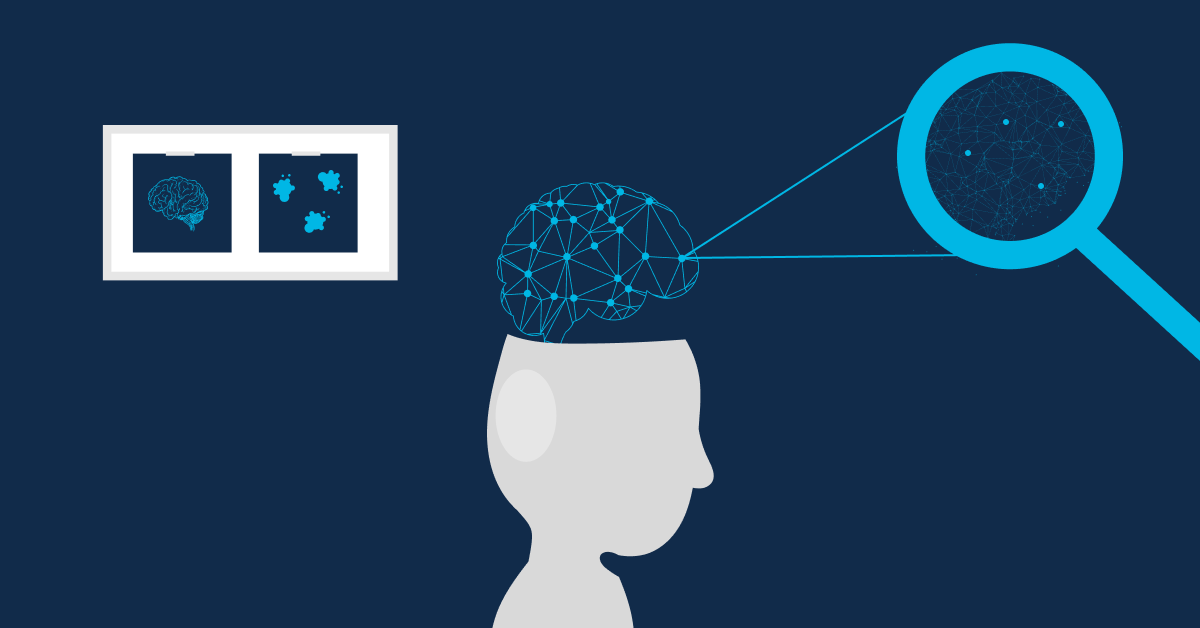


Beyond Gut Bacteria: How Metagenomics Is Decoding the Human Microbiome
Inside your gut lives an ecosystem made up of trillions of microorganisms.
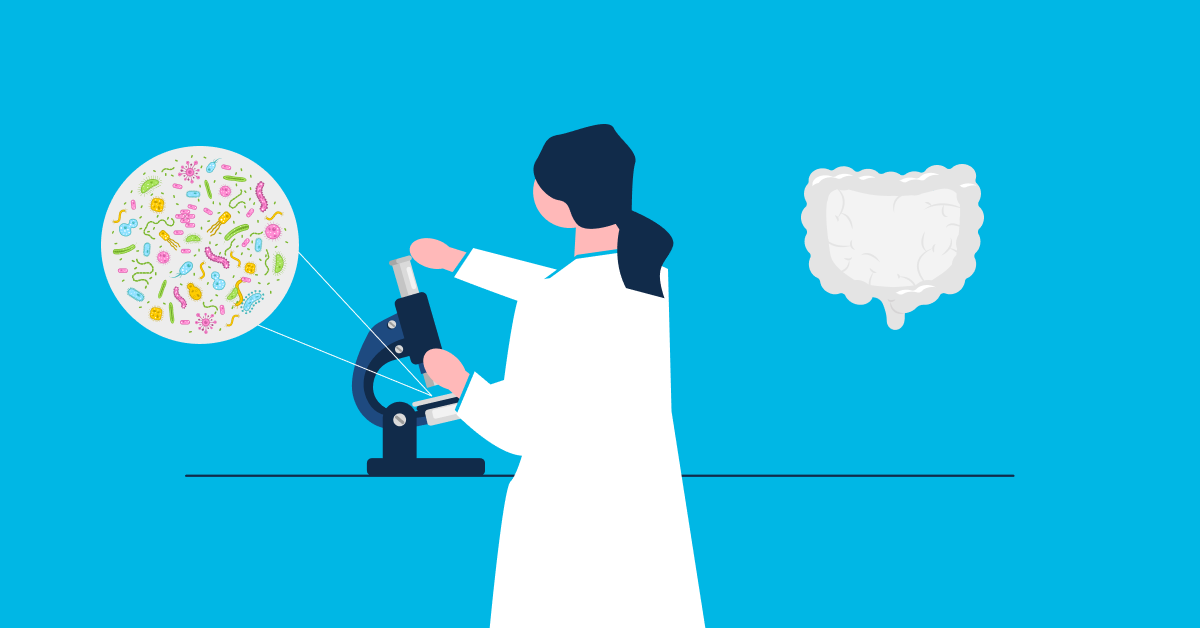
Bacteria, fungi, viruses, and other microbes coexist in a constantly changing community that interacts with what you eat, your immune system, your metabolism, and many other aspects of human biology.
But the most interesting question is no longer simply:
Which microbes are living inside you?
The bigger question is:
What are they actually doing?
That shift from identifying microbes to understanding their genes, functions, metabolic activity, and interactions with the human host is changing how researchers study the relationship between the gut microbiome and human health.
Your Gut Is an Ecosystem, Not Just a Collection of Bacteria
The phrase “gut bacteria” can make the microbiome sound like a simple list of microorganisms.
It isn't.
The gut microbiome is a dynamic ecosystem whose composition can vary between individuals and change over time.
Diet, medication, lifestyle, environment, age, host genetics, and disease can all influence microbial communities.
Instead of searching for one universal “healthy microbiome,” researchers are increasingly interested in understanding:
- Which microorganisms are present?
- Which genes do they carry?
- Which functional pathways are represented?
- What metabolites can they produce?
- How do microbial activities interact with the host?
In other words, the microbiome is not just about who is there.
It is also about what they can do.
From “Who Is There?” to “What Can They Do?”
For years, microbiome studies have often used 16S rRNA sequencing to characterize bacterial communities.
This approach remains valuable for understanding microbial composition, but it does not provide the complete functional picture.
Shotgun metagenomic sequencing takes a broader approach by sequencing DNA present across the microbial community. It can provide greater taxonomic resolution and information about the functional potential encoded in microbial genomes.
A 2025 review on human gut microbiome research highlights how shotgun metagenomics can provide a more comprehensive view of microbial DNA, including taxonomic and functional information.
This allows researchers to investigate:
- Which microbial genes are present?
- What biological functions could they support?
- Which metabolic pathways are represented?
- How does microbial functional potential differ between samples?
That is where microbiome research becomes increasingly dependent on bioinformatics.
Your Microbes Are Running a Chemical Factory
Microorganisms do not simply live inside the gut.
They transform molecules.
Dietary components that humans cannot fully digest can be metabolized by gut microorganisms, producing compounds that interact with the host.
Short-chain fatty acids, including acetate, propionate, and butyrate, are important examples. These compounds are produced through microbial fermentation of dietary fibre and have been studied for their roles in intestinal and immune biology.
So researchers are increasingly interested in microbial activity not just microbial presence.
The Gut Doesn't Stay in the Gut
The gut microbiome interacts with biological systems beyond the digestive tract.
The Immune System
Microorganisms and their products can interact with immune pathways and influence the intestinal environment.
Metabolism
Microbial activity can transform dietary components and produce metabolites involved in host signaling.
The Gut Barrier
The microbial community interacts continuously with the intestinal environment and gut barrier.
The Brain
Researchers are also investigating communication between the gut microbiome, microbial metabolites, immune pathways, and the nervous system.
But an important distinction remains:
Association does not automatically mean causation.
A microbial feature linked to a disease may be contributing to it, responding to it, or influenced by another factor such as diet or medication.
Why Microbiome Research Is Becoming a Bioinformatics Challenge
A microbiome sequencing experiment can generate enormous amounts of information.
But raw sequencing data is only the beginning.
Researchers need computational workflows to turn that data into interpretable biological results.
A metagenomics analysis may involve:
- Quality control
- Read processing
- Taxonomic profiling
- Functional annotation
- Pathway analysis
- Comparative analysis
- Biological interpretation
Each stage can influence the final result.
As datasets become larger, manual analysis also becomes increasingly difficult to scale.
This is why bioinformatics has become central to microbiome research across disciplines.
Beyond Taxonomy: Understanding Microbial Function
Knowing that a microorganism is present is useful.
But sometimes the more important question is whether it carries genes associated with a particular biological function.
Two microbial communities can differ in species composition while sharing some functional capabilities.
Conversely, closely related microorganisms can have meaningful differences in their genes and metabolic potential.
Modern metagenomics therefore increasingly looks beyond taxonomy toward:
- Microbial genes
- Functional pathways
- Enzymes
- Metabolic capabilities
- Strain-level variation
- Microbial interactions
- Host–microbiome relationships
This helps researchers investigate the microbiome as a functional ecosystem, rather than simply a collection of microbial names.
From Microbiome Data to Precision Health
This raises an exciting question:
Could the microbiome eventually become part of an individual's biological profile?
Researchers are investigating whether microbial signatures could contribute to:
- Biomarker discovery
- Patient stratification
- Disease research
- Treatment-response studies
- Precision nutrition
- Microbiome-based therapies
- Drug–microbiome interactions
Some microbiome-based approaches have already moved into specific clinical applications.
However, the broader field is still developing, with researchers working toward stronger evidence, standardized methods, reproducible workflows, and clearer biological mechanisms.
The Future Isn't Just About Counting Microbes
The biggest change in microbiome research may be the question researchers are asking.
It is no longer enough to say:
“This microorganism is present.”
Researchers increasingly want to know:
- What genes does it carry?
- What biological functions could those genes support?
- What metabolites can the microbial community produce?
- How do these activities interact with the host?
Answering those questions requires more than sequencing.
It requires computational methods capable of turning large amounts of microbial data into meaningful biological information.
The Takeaway
Your gut is not simply a place where bacteria live.
It is a dynamic biological ecosystem.
Its microorganisms carry genes, respond to their environment, transform nutrients, produce metabolites, and interact with the human host.
As sequencing technologies generate increasingly detailed views of this ecosystem, bioinformatics becomes essential for making sense of that complexity.
The next chapter of microbiome research may not be about discovering one “good” or “bad” bacterium.
It may be about understanding the entire microbial ecosystem and the functions it performs.
At GenomeBeans, our Metagenomics Analysis workflow helps researchers move from raw sequencing data toward structured microbial and functional insights through automated bioinformatics analysis.
Because the microbiome isn't just a list of microbes.
It's an ecosystem of biological information and sequencing is helping us learn how to read it.
Popular Post
-
19 October 2026
Can No-Code Bioinformatics Replace Coding? Here’s Where It Helps

-
12 October 2026
Bioinformatics Tools Are Everywhere. Knowing Which One to Use Is the Hard Part
-
05 October 2026
Bioinformatics vs Data Science: What’s Actually Different?
-
28 September 2026
How Scientists Use Bulk Transcriptomics to Understand What a Drug Does Inside Cells
-
21 September 2026
Inside a Brain, Cell by Cell: What Alzheimer's Research Looks Like at Single-Cell Resolution