
The Bioinformatician: Jack of All Trades, Master of None
Ask a bioinformatician what they do, and you'll usually get a pause before the answer. Not because they don't know because the honest answer is "a bit of everything," and that's a strange thing to say out loud in a world that rewards specialists.
I know the pause well. I've lived in it.
The Job Description Nobody Warns You About
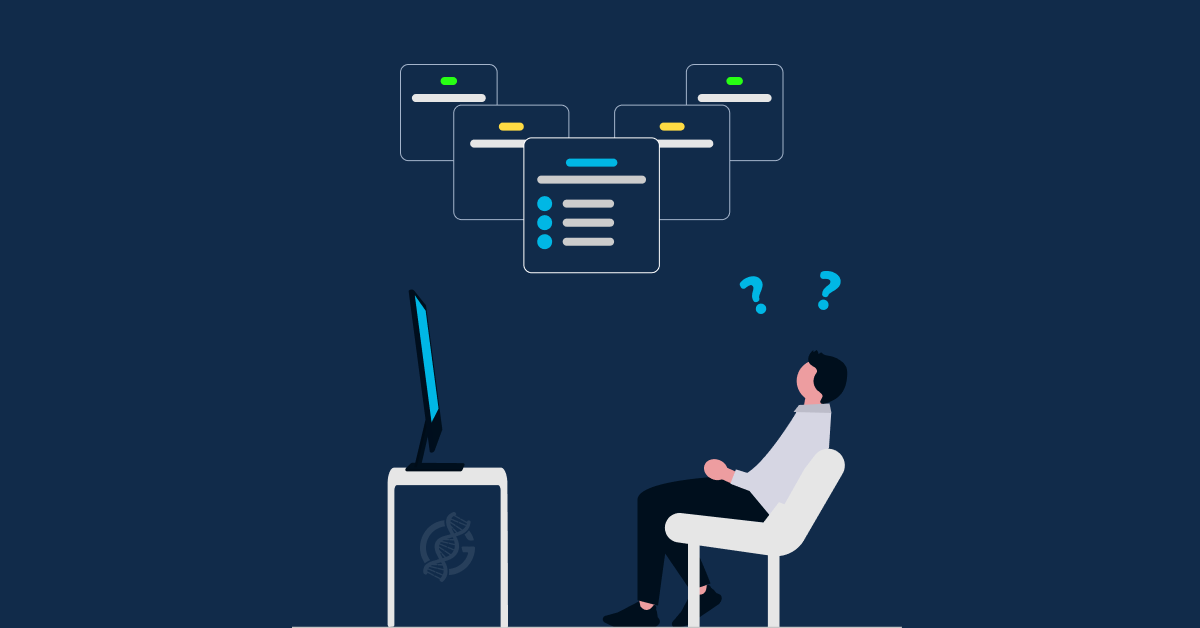
A single week in bioinformatics might look like this: writing a script to parse a messy lab spreadsheet, debugging a failed alignment job on a compute cluster, explaining a p-value to a wet-lab biologist convinced their result is significant, arguing with a pipeline that worked yesterday and doesn't today, and reading just enough of a new paper to figure out if its method is worth adopting.
None of that is any single discipline. It's biology, statistics, software engineering, and a fair bit of translator/diplomat work, all stitched together often by one person.
The Split Isn't Just Between Fields It's Inside Biology Too
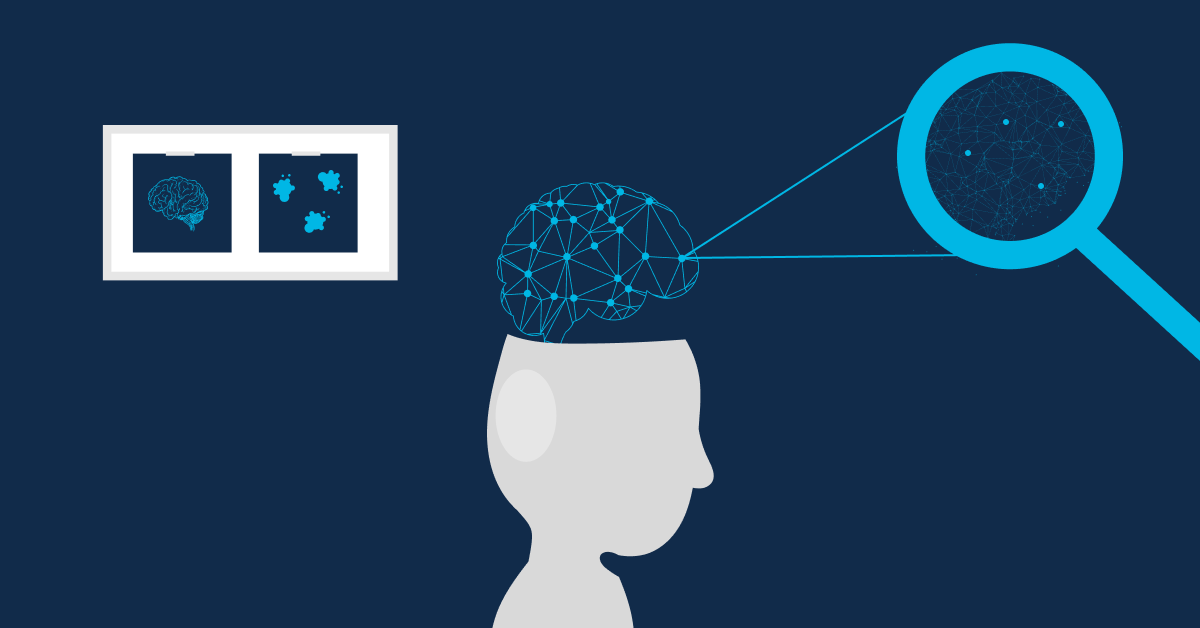
Here's the part I didn't appreciate for years: the "jack of all trades" problem doesn't stop at the boundary between biology and computer science. It repeats inside biology itself. Cancer biology and infectious disease biology aren't the same discipline wearing different data. The clonal evolution logic of a tumor, the way you think about mutational signatures, the statistical assumptions that hold for a slowly evolving cancer genome none of that transfers cleanly to the fast, adaptive, host-pathogen dynamics of an infectious disease dataset. Antibody repertoire analysis is its own world again. Metagenomics is yet another.
So the honest dilemma was never just "biologist vs. engineer." It was: even if I fully commit to biology, which biology? Four or five years ago, that felt like a problem I had to solve by narrowing pick cancer, or pick infectious disease, or pick immunology, and go deep. I genuinely believed I should just stick to one area and let the rest go.
What Changed: Building Genomebeans
What actually happened is the opposite of narrowing. Building Genomebeans forced me to hold cancer biology, antibody analysis, and metagenomics in the same head at the same time not as separate side quests, but as the actual, ongoing work of building one platform.
And that's when the years of feeling scattered started to look different in hindsight. Every domain I'd touched the tumor biology, the immunology, the microbial ecology wasn't a detour from "real" expertise. It was the raw material for understanding what a biologist in any of those fields actually needs from a tool. You can't design a platform that serves cancer researchers, antibody engineers, and metagenomics labs unless you've sat close enough to each of those problems to know where they're similar and where they quietly aren't. The breadth stopped being a liability I had to justify and became the actual qualification for the job I ended up doing.
Why "Master of None" Isn't an Insult Here
In most careers, "jack of all trades, master of none" is a warning label. In building something that has to serve multiple fields at once, it's closer to a job requirement. A specialist in one domain will always go deeper in that domain than I ever will. But depth in one place isn't what it takes to see where cancer genomics, antibody data, and metagenomics all need the same underlying rigor and where they each need something completely different.
The value isn't depth in one lane. It's being fluent enough across several to see where they interact, and to build for the seams instead of just one lane.
The Skill That Actually Matters
If there's a single skill that ties this together, it isn't coding, and it isn't any one biological specialty. It's translation moving fluidly between a biological question, whatever field it comes from, and a working understanding of what the data and the analysis actually demand. If you've ever wondered whether bioinformatics is just about coding, the answer is much more nuanced than it first appears.
So the "master of none" framing undersells it. A better description, at least for me, has been: still learning all of it, on purpose, because that's exactly what building something useful across cancer biology, antibodies, and metagenomics actually requires.
Popular Post
-
19 October 2026
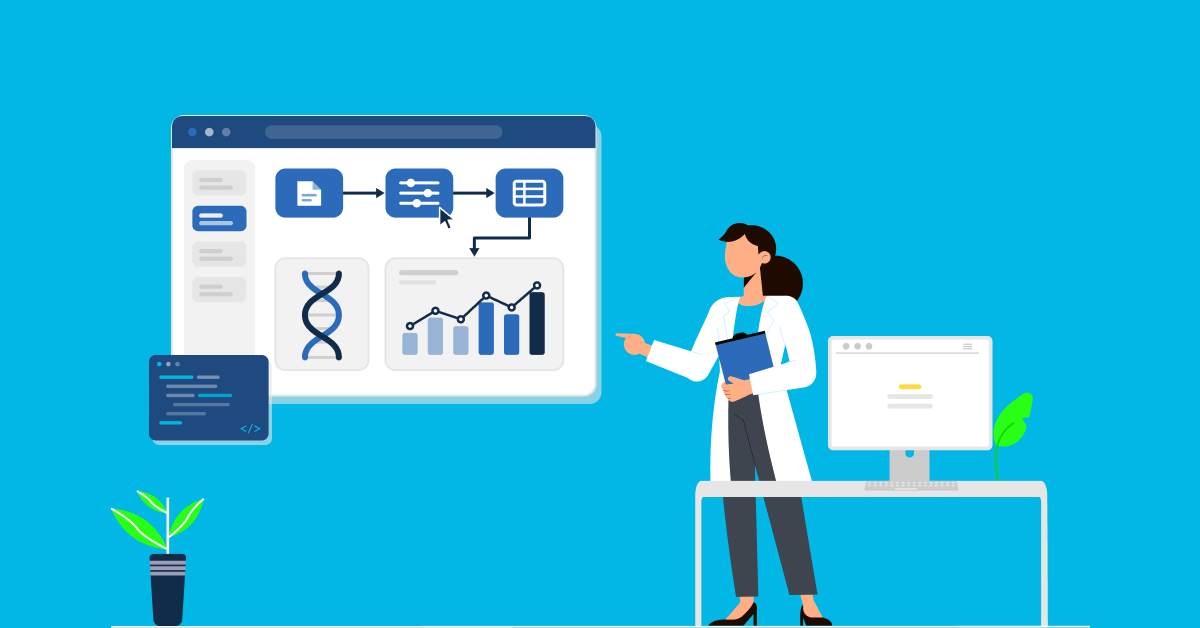
Can No-Code Bioinformatics Replace Coding? Here’s Where It Helps
-
12 October 2026
Bioinformatics Tools Are Everywhere. Knowing Which One to Use Is the Hard Part
-
05 October 2026
Bioinformatics vs Data Science: What’s Actually Different?
-
28 September 2026
How Scientists Use Bulk Transcriptomics to Understand What a Drug Does Inside Cells
-
21 September 2026
Inside a Brain, Cell by Cell: What Alzheimer's Research Looks Like at Single-Cell Resolution